
Unfold Student projects
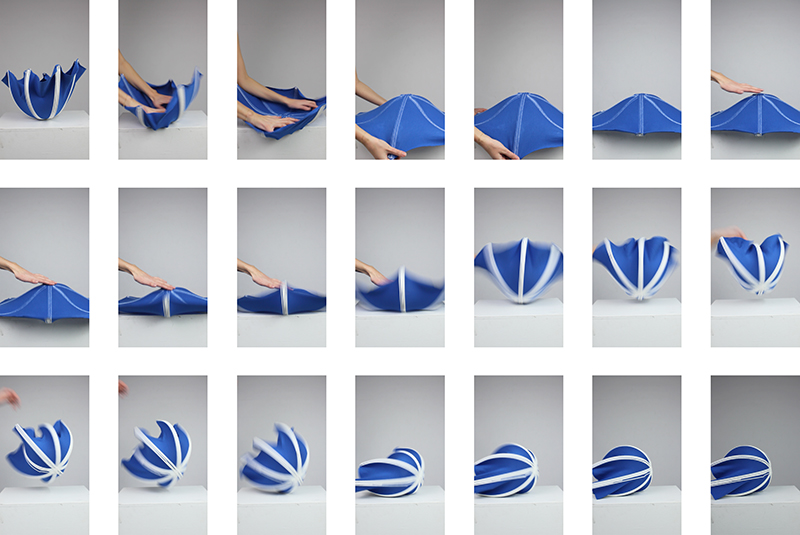
4D-Printing Architectural Textiles
Programmable Self-Supporting Structures
by Amelia Vey Henry
4D Printing Architectural Textiles is a collection of research, design systems, and prototypes in creating digitally fabricated self-forming and self-supporting architectural composites. The prototypes are created via direct-to-textile robotic 3D printing of thermoplastics onto flat tensioned textiles, which then warp into 3D structures upon release. By experimenting with interdependent parameters such as material and print geometry, self-forming structural warping behavior can be pre-programmed into a textile, allowing the composites to “pop-up” into structural elements. The work explores the integration of technical additive manufacturing methods in architecture with the craft, tactility, and artistic expression of textiles, to propose a new material system that is adaptable and centered around the process of making. The collection of prototypes suggests a new way of viewing textiles in architecture and asks for a reconsideration of the binary structural divide between hard and soft materials within architectural fabrication. What role can soft materials have in architecture, and how can emerging technologies and manufacturing methods allow us to challenge the way we traditionally implement these materials?
Amelia Vey Henry is an Architect and Computational Designer researching and developing the application of 4D printed structural textiles as a new architectural material via direct-to-textile robotic 3D printing. She has previously instructed workshops in both 4D textile printing and traditional 3D printing, modeling and visualization.
Following the Fish
by students in Atelier Y, first and second year design studio in A-programme
International Workshop with first and second year students
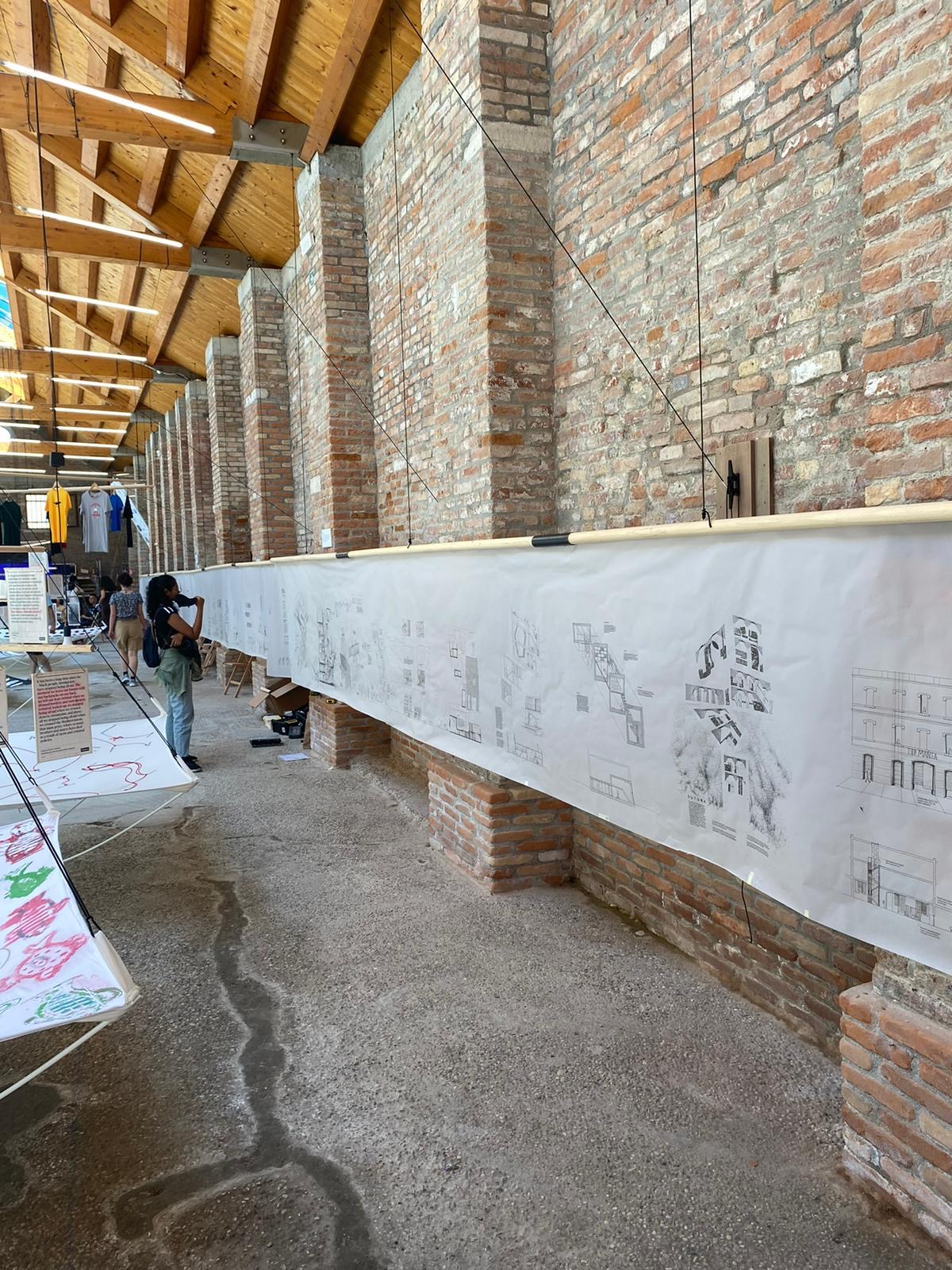
The exhibition's curators of “Following the Fish” (winner of the competition to participate in the Eventi Collatarali of the Venice Biennale of Architecture 2023) made a call to action to the architecture students at Lund University. In response to the theme of this year's Biennale, "Africa, laboratory of futures", they proposed to work on the reality of Senegalese migrants in Barcelona. Specifically, the Union of Street Vendors, who also created the “Top Manta” fashion brand. In this political and creative struggle, this movement has re-signified its stigmatised identity as a migrant collective.
Students in Ateljé Y, first and second year design studio, developed three full scale moveable prototypes inspired from the strength of the Top Manta community and answering to the three challenges proposed on an international workshop in Barcelona in the beginning of February. Each prototype were built, drawn and put to use in an urban public context in Lund showing the students´ visions on how to eat, sleep and spend time together as part of a community ritual.
Every group prepared a film documenting a day in the life of the prototype while in use. 24 February the films was presented in Exhibition Hall, School of Architecture, Lund University. The projection was followed by a short feedback session from our “Following the Fish” partners in Barcelona and Milano.
La Biennale di Venezia in July 2023
Based on the work in "Following the Fish" our students participated in a workshop in Venice, July 2023.
Tactile – Exploring the Potential of Scrap Wood and Leather
by Elsa Birath Pingani, 2024
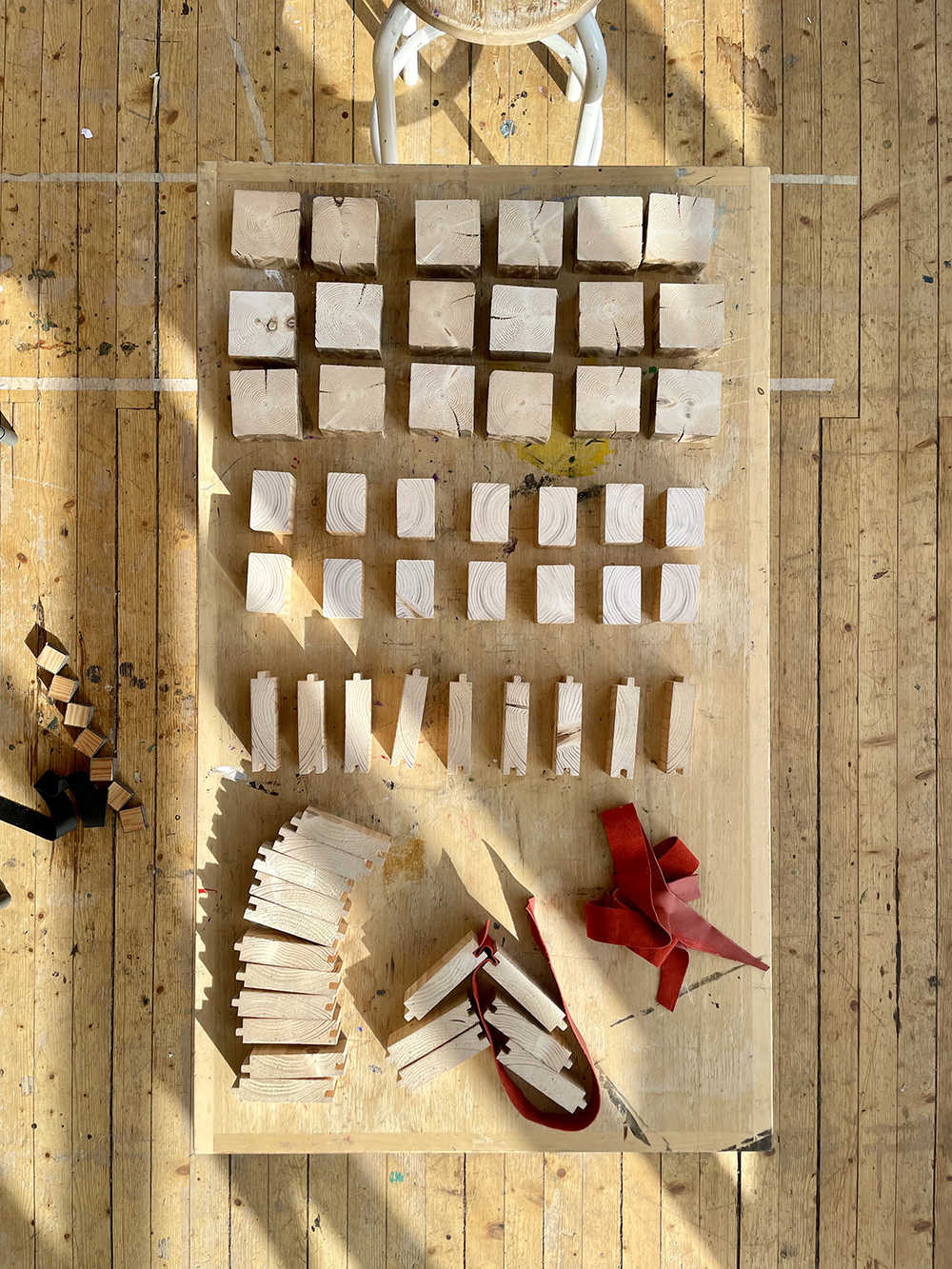
When we design products based on what we want instead of the materials we have, material waste is inevitable. The success of a commercial product relies on the ability to reproduce consistent results. By shifting perspective and highlighting a material’s natural irregularities, we can enhance longevity, as beauty and character won’t be diminished by wear and tear. "Tactile" examines the potential of waste materials, specifically the combination of wood and leather, as permanent or temporary flooring. The wood used is demolition material from a renovation project, and the textile is scrap leather from a furniture factory. This project is a result of the Interior Architecture and Furniture Design course.
Elsa Birath Pingani is a fourth-year student at the School of Architecture, Lund University
Køgevej 210
by students and teachers at the School of Architecture, Lund University, 2024
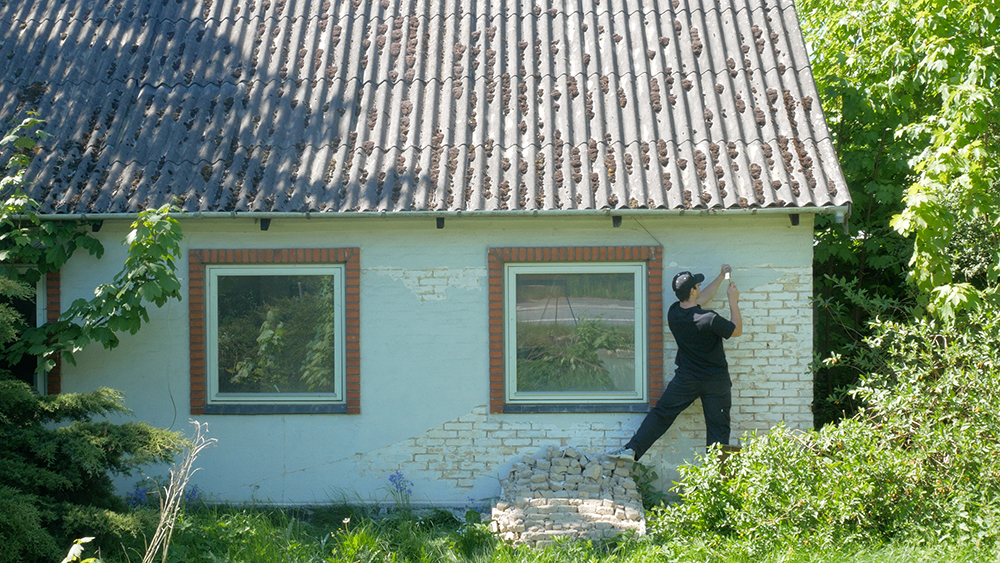
During the spring of 2024 an abandoned house in Denmark became a protagonist of various activities and works in and around Lund and Gadstrup, Danmark. For this exhibition, two of these projects have been entangled in an attempt to unfold multiple narratives: one is the process of a two-day excursion conducted by the course Material and Detail II*, and the other is a student** constructing his thesis about the house.
The result is a video documenting two days of work by many, combined with weeks of reflections and actions by one, highlighting an example of the exchange and fluid borders created when working open ended beyond course codes and institutional hierarchies.
Participants and teachers
- Ayité Kwasi Keith Mipoom Adjavon
- Mohammad Al Haj Jadaan
- Victor Andersson
- Daniela Antón Barahona
- Sarah Camitz
- Tobias Matthew Christensen
- Sanin Demo
- Alice Eckerdal
- Lykke Elinder
- Sandra Erlandsson
- Andreas Färegård
- Eleonore Guebin
- My Hartman
- Alma Karlsson
- Valerie Koubová
- Etienne Meng
- Simon Mlcek
- Saga Persson
- Signe Rittfeldt
- Oscar Sundström
- Li Wang
- Nina Falk Aronsen
- Andreea Marcu
- Rúni Weihe
- Erik Tonning Jensen
**Valentin Strohkirch
Organizer: Erik Tonning Jensen
Video editor: Valentin Strohkirch
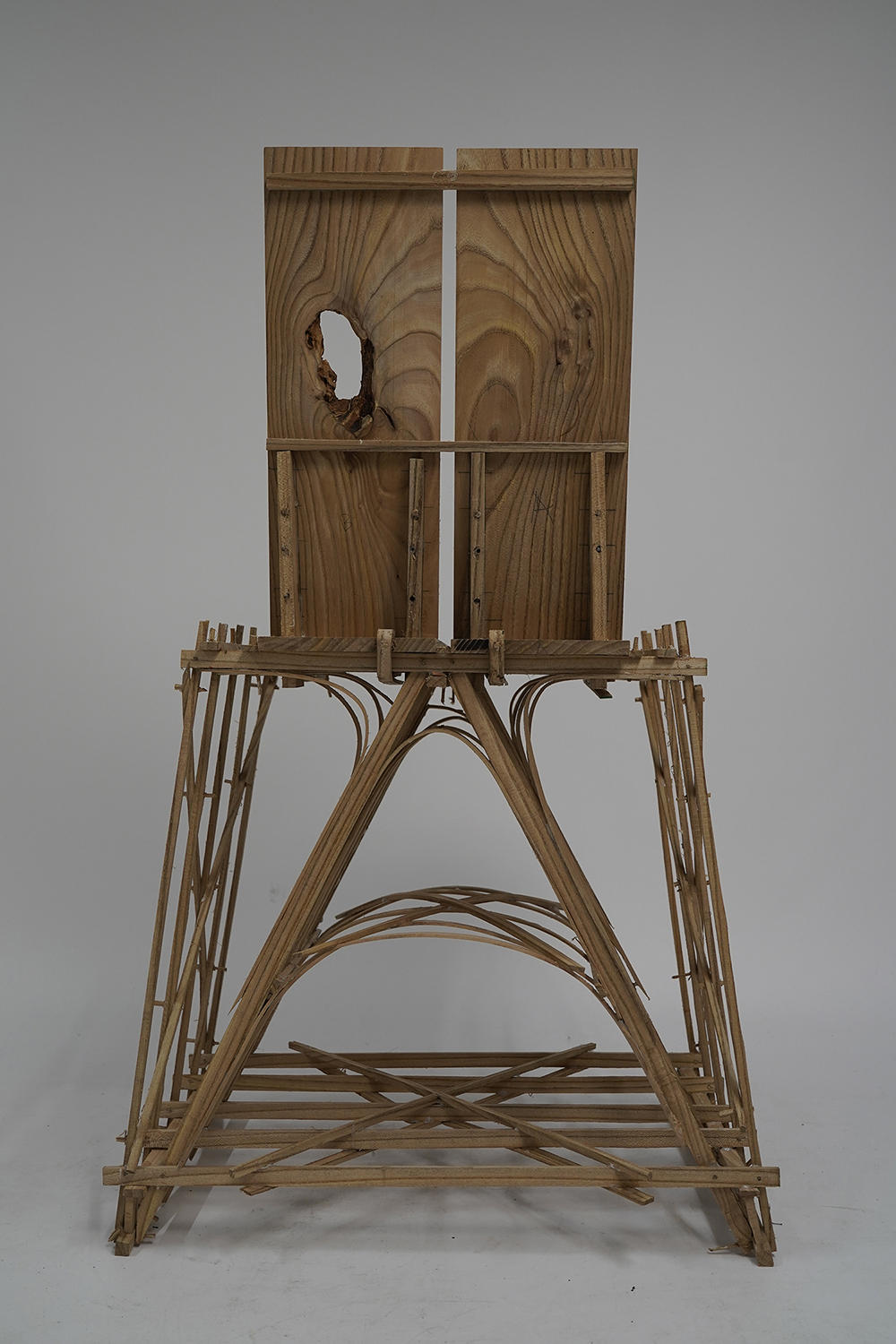
The Art of Constraint: Four Chairs in Eight Days
by Oskar Nilsson
This series of four wooden chairs represents a journey through constraint and creativity. Built within a tight timeframe of two workdays per chair, each piece reflects a unique design born from the necessity to act swiftly and decisively. The limited amount of wood and the pressure of a ticking clock pushed the boundaries of conventional craftsmanship, resulting in four distinct designs. This project celebrates the art of making do with what is at hand, showcasing the beauty that can emerge from restrictions and the freedom found in embracing imperfection and immediacy.
Oskar Nilsson is a fifth-year student at the School of Architecture, Lund University.
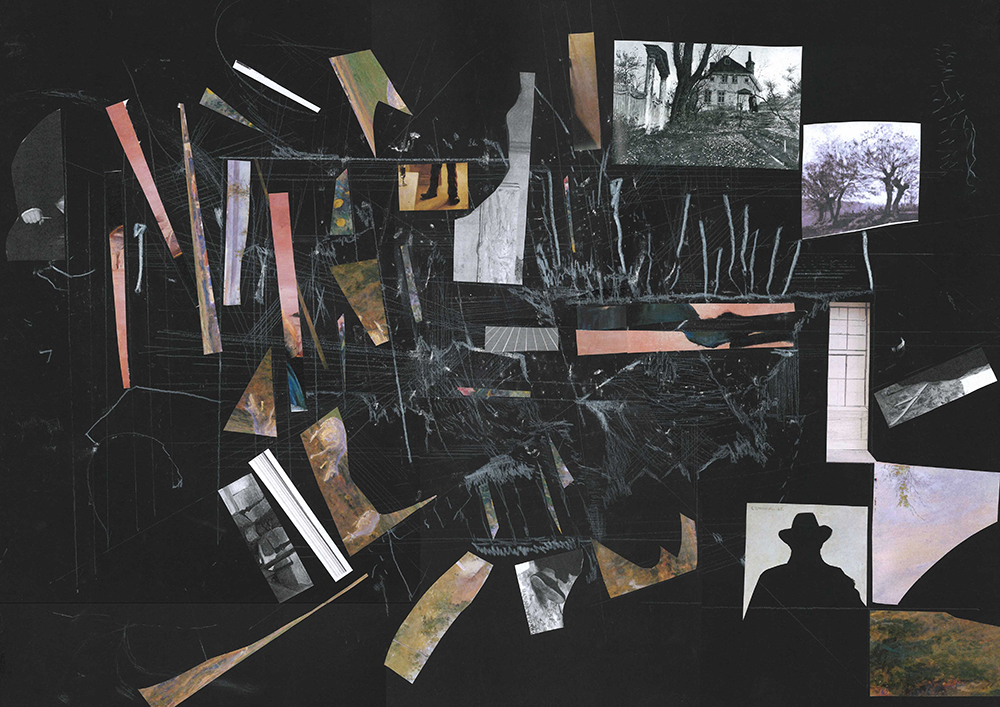
Catalyst and sidetracks
by Tobias Allard
In the early years at the School of Architecture, great emphasis is placed on shaping and exploring one's own creative processes. These processes can often become deeply personal, leading to self-criticism and blockages at an early stage, creating obstacles to progress. In this project, personal working methods are explored through a sketching process: is it possible to formulate alternative methods? A large amount of material is produced intuitively in this project. Afterward, the material is analysed, critiqued, and selections are made. Reinterpretations between different media are conducted to open new perspectives and prevent interruptions in the process. Jockum Nordström's exhibition Inget papper, inga mynt serves as a starting point and source of inspiration for this exploration. The material generates new material; action enables the next action. In this way, the work moves forward.
Tobias Allard is a carpenter and architect educated at the School of Architecture, Lund University.